GST No. 03BPAPJ6103B1ZU
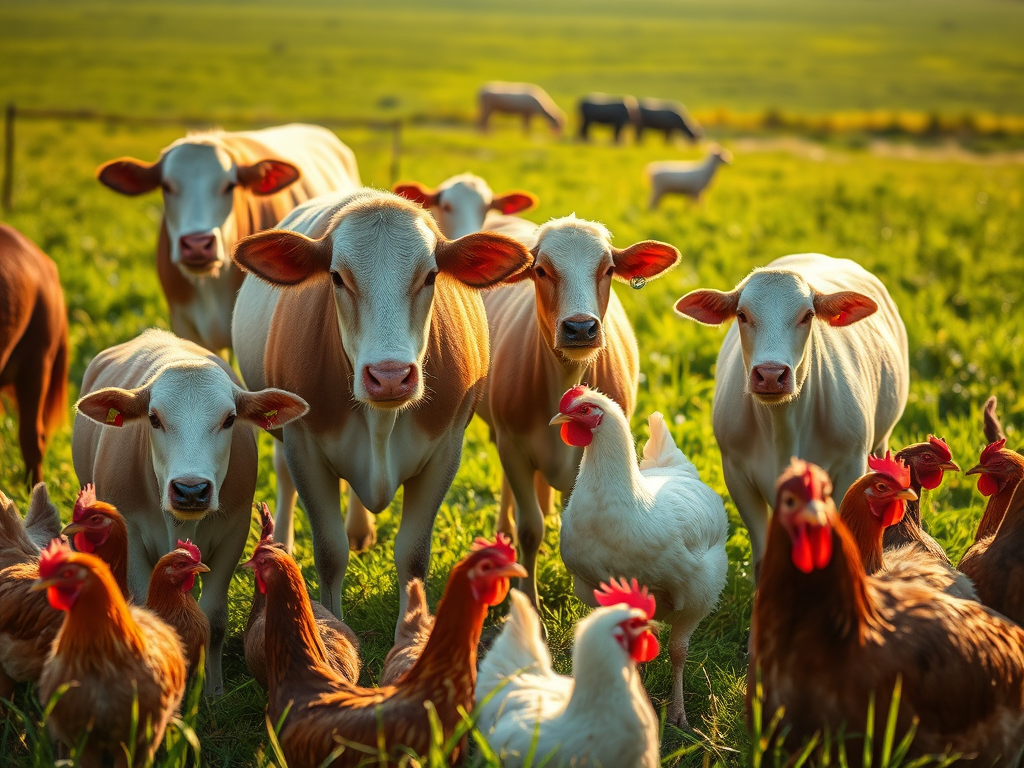
Healthy animals are productive animals. Whether you’re raising livestock or caring for pets, ensuring proper nutrition is key to promoting growth, reproduction, and overall well-being. Proper nutrition not only supports physical health but also boosts productivity, reproduction, and overall resilience to diseases.
Understanding Nutritional Needs:
Every animal species has unique nutritional needs depending on their age, purpose, and physiological status. Livestock meant for milk production, for instance, will have different requirements than those raised for meat or wool. Providing the right balance of nutrients is essential for proper growth and productivity. An imbalanced diet can lead to nutrient deficiencies, poor growth rates, reduced fertility, and increased susceptibility to disease.
Balancing Proteins, Carbohydrates, and Fats:
Proteins, carbohydrates, and fats are the building blocks of an animal’s diet. Proteins are crucial for muscle growth, milk production, and repair of body tissues. Carbohydrates serve as the primary energy source, while fats provide a concentrated energy reserve and support vital bodily functions. Ensuring the right ratio of these macronutrients is essential for maintaining animal productivity. Feeding programs should be regularly reviewed and adjusted based on the animals’ growth stages and purpose.
The Role of Vitamins and Minerals:
Vitamins and minerals are essential for supporting metabolic processes, bone development, reproduction, and immunity. For example, calcium and phosphorus are crucial for bone health, while vitamins A, D, and E support various bodily functions. A deficiency or imbalance of these micronutrients can severely impact productivity and health. Providing mineral supplements when needed, especially for animals on pasture-based systems, is essential for maintaining optimal health.
Hydration:
Water is often overlooked but is a critical component of an animal’s diet. Dehydration can result in reduced feed intake, poor digestion, and decreased productivity. Providing clean, accessible water at all times is crucial, especially during hot weather or periods of high physical activity. Water quality should also be monitored to prevent contamination that can harm animal health.
Supplements and Feed Additives:
In certain situations, supplements and feed additives can be beneficial in enhancing productivity. This includes probiotics to improve gut health, enzymes to enhance nutrient absorption, and minerals to correct dietary deficiencies. However, it’s essential to consult with animal nutritionists or veterinarians before implementing supplements to avoid overuse or harmful interactions.
Conclusion:
Proper nutrition is a cornerstone of animal productivity. By providing balanced diets tailored to the specific needs of your animals, you can enhance growth, reproduction, and overall health. Monitoring and adjusting their nutritional intake as needed will ensure optimal performance and well-being, benefiting both the animals and their caretakers.